12 Small Living Room Design Tricks That Actually Work
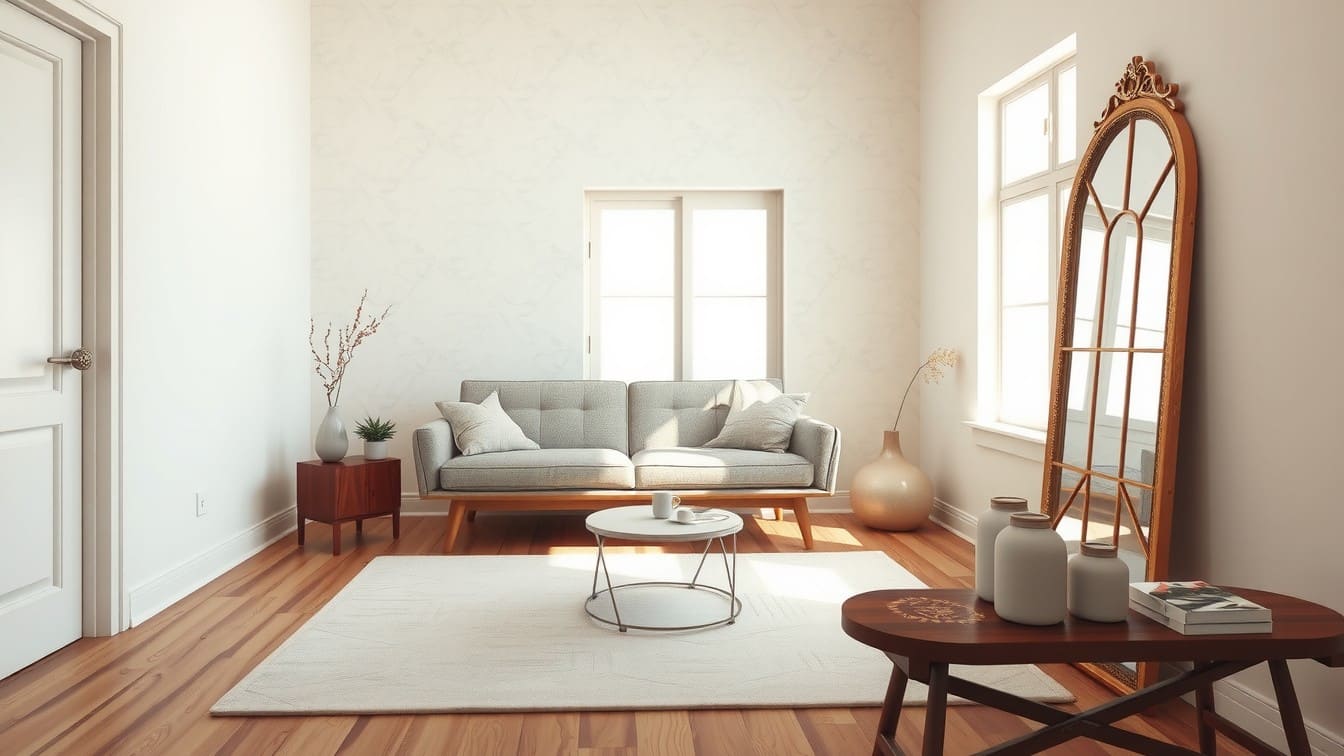
Living in a small space definitely has its perks. It’s undeniably cozy, it takes practically no time to clean, and it keeps your utility bills comfortably low. But let’s be real when it comes to your main living area, a tight floor plan can easily feel more like a storage unit than a relaxing sanctuary.
Trying to squeeze in a sofa, a TV, and a place to eat is a real puzzle. You just want a spot where you can binge-watch your favorite shows and hang out with friends without constantly bumping your knees.
The good news? You don’t need a sledgehammer, a contractor, or a bigger mortgage to fix it. Interior designers have been tricking the eye into seeing more space for decades.
If you’re wondering how to decorate a small living room without feeling boxed in, you are in the right place. Here are 12 highly practical small living room design tricks to make your space look and feel much bigger.
1. Make Your Small Living Room Furniture Multitask

When space is tight, every single piece of furniture needs to earn its keep. Instead of buying single-purpose items, look for pieces that pull double duty.
- Storage Ottomans: Swap out your coffee table for a large ottoman with a removable lid. You can put a tray on top for drinks, rest your feet on it, and hide blankets or remotes inside.
- Nesting Tables: Instead of bulky end tables, use nesting tables. Pull them out when you have guests, and tuck them away into one compact footprint when you’re done.
- Sofa Beds: Even without a guest room, a sleek sleeper sofa lets your living room double as a bedroom in a flash.
2. Use the Magic of Mirrors to Expand the Space
This is one of the oldest small living room ideas in the design playbook because it works flawlessly. Mirrors act like extra windows. They bounce natural light around the room, creating an instant optical illusion of depth.
Pro Tip: Hang a large mirror directly opposite your biggest window to reflect the outdoors, or lean an oversized floor mirror against an empty wall to draw the eye upward.
3. Draw the Eye Upward with Vertical Decor

When you lack floor space, use your vertical real estate. If you can get people to look up, the ceilings will feel higher, and the room will feel airier.
- Hang curtains high and wide: Don’t put your curtain rod right above the window. Mount it a few inches below the ceiling, and extend the rod past the sides of the window. It makes your windows look massive.
- Tall bookshelves: Opt for floor-to-ceiling bookcases rather than short consoles to force the eye upward.
4. Choose “Leggy” Furniture for a Lighter Look
Chunky, overstuffed sofas that touch the floor visually eat up space. You want to trick the brain into seeing as much floor as possible. Swap out heavy, blocky furniture for pieces that sit up on legs. A sleek mid-century modern armchair with the floor visible beneath creates an instant sense of lightness and airflow.
5. Opt for a Large Area Rug (Yes, Really!)

This sounds backward, right? If you have a small room, you should buy a small rug. Actually, a tiny rug chops up the floor and acts like an island, emphasizing how tiny the room is.
Instead, go big. Choose an area rug large enough to anchor your entire seating arrangement. At the very least, the front legs of your sofa and chairs should comfortably sit on the rug. It unifies the space, making the room feel expansive.
6. Layer Your Lighting to Brighten Dark Corners
Nothing makes a small room feel dingy quite like a single, harsh overhead light. Heavy shadows make the walls feel like they are closing in on you. Spread the light around instead:
- Wall Sconces: These provide excellent light without taking up any floor space. (Plug-in sconces are great for renters!)
- Floor Lamps: Tuck a slender floor lamp into a dark corner to wash the walls with light.
- Table Lamps: Use warm bulbs to create a cozy glow that pushes back shadows.
7. Keep Your Small Space Color Palette Cohesive
You don’t have to paint your room hospital-white to make it feel big. The real secret to successful small-space design is flow. Jumping from a bright blue wall to a red sofa to an orange rug creates visual fragmentation. It makes the room feel busy and cramped.
Stick to a tight color palette instead. Blurring the lines between the walls, the furniture, and the decor allows your eye to glide smoothly across the room without interruption.
8. Go Big with Your Wall Art
People often gravitate toward small decor for small spaces, tiny frames, tiny plants, tiny knick-knacks. But lots of small items just create visual clutter.
Instead of a busy gallery wall made of fifteen small frames, hang one large, oversized piece of art above your sofa. It commands attention, looks chic, and keeps the walls looking clean and intentional.
9. Float Your Furniture to Create Breathing Room

When space is tight, the natural instinct is to push every piece of furniture against the walls. Surprisingly, this “waiting room” layout actually highlights the room’s small size and leaves an awkward dead zone in the middle.
Try pulling your sofa just a few inches away from the wall. That tiny bit of breathing room tricks the eye into thinking the room is wider than it actually is.
10. Get Sneaky with Living Room Storage Ideas
Clutter is the absolute enemy of a small living room. A few stray envelopes and some scattered shoes are enough to make it feel chaotic. You need sneaky storage:
- Floating Shelves: Install these in the awkward dead space above your TV or doorways.
- Under-Sofa Storage: Use flat, rolling storage bins under your sofa to hide out-of-season clothes.
- Built-ins: If you own your home, shallow custom shelving around a window provides massive storage without intruding into the room.
11. Use Transparent Materials to Reduce Visual Weight
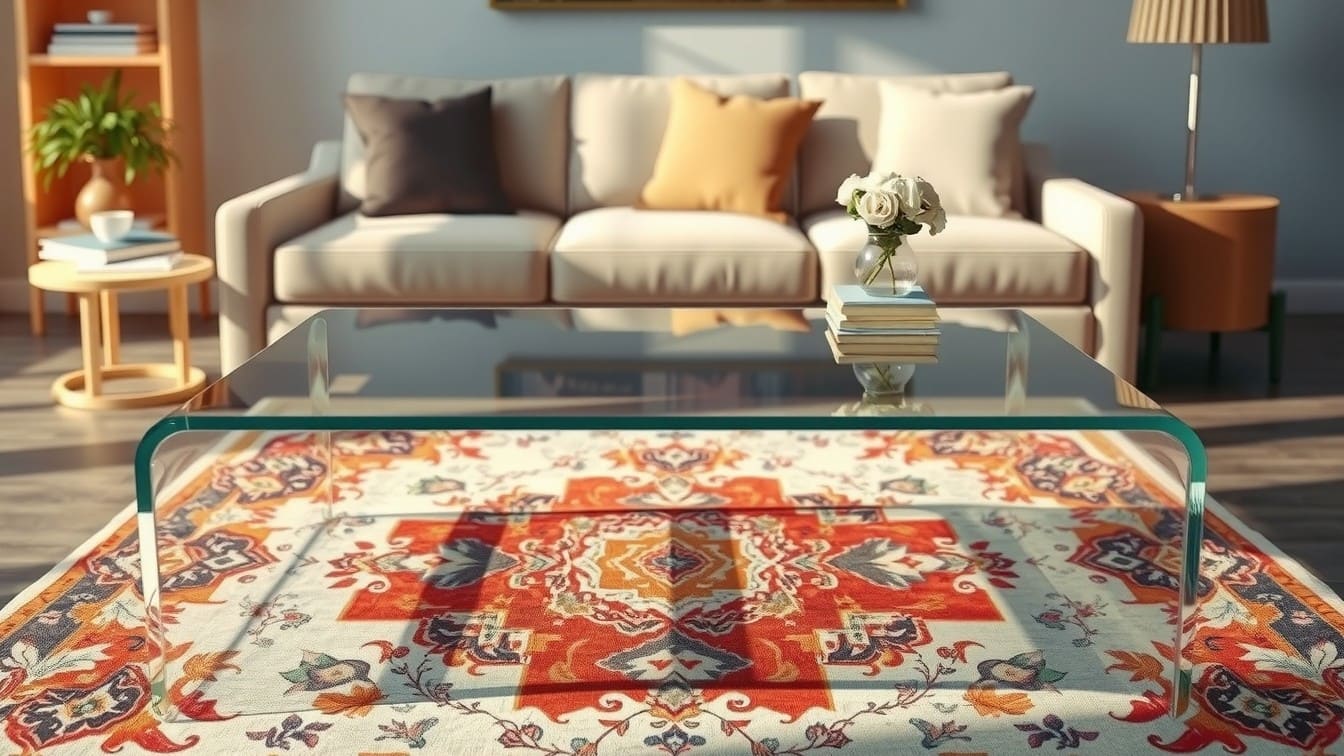
Heavy ok tables stop your eye from moving across the room. To keep things feeling open, introduce transparent materials.
- Try a clear acrylic coffee table.
- Swap a bulky chair for a transparent ghost chair.
- Use glass-topped side tables.
Because you can literally see right through them, your brain registers the space as “empty.”
12. Edit to Maximize Negative Space
Negative space, the empty spots on a wall, a shelf, or the floor, is your best friend. You don’t need decor on every surface or a pillow in every corner of the couch.
Adopt a “one in, one out” rule. If you buy a new vase, an old one gets donated. Keeping only the things you truly love prevents the space from feeling suffocating and makes your living room look effortlessly styled.
FAQs
What colors make a small living room look bigger?
Light, airy colors are always a safe bet. Crisp whites, soft creams, pale grays, and pastel blues or greens naturally reflect light, which visually pushes the walls back. However, if you love moody colors, try “color drenching” painting the walls, trim, and ceiling all the same dark shade. It blurs the harsh lines of the room, creating a cozy, endless feel!
Is a sectional sofa a bad idea for a small space?
Not at all! It’s a common myth that you have to use tiny furniture in a tiny room. A properly sized sectional tucked into a corner can actually provide more seating and look much less cluttered than a standard sofa paired with two bulky armchairs. Just make sure to choose one with clean lines and exposed legs so it doesn’t look too heavy.
Where should I put the TV in a tiny living room?
Whenever possible, mount your TV directly to the wall. This instantly frees up valuable floor space that a deep entertainment center would otherwise eat up. If you still need a console beneath it to hide ugly cords or store electronics, choose a narrow, low-profile cabinet or install a floating media shelf.
How can I add storage without making the room look cluttered?
The trick is to use hidden and vertical storage. Go for multi-functional furniture, like storage ottomans or coffee tables with hidden compartments. For your walls, install floating shelves high up, closer to, the ceiling to display books or decor. It keeps your things organized while keeping them completely out of your direct line of sight.
Conclusion
Having a tiny home doesn’t mean you have to sacrifice style or comfort. It just means you have to be a little more intentional with your layout. By using multi-functional furniture, playing with scale, and keeping clutter at bay, you can easily turn a cramped layout into a breathable oasis.
You don’t have to tackle all 12 of these small living room design tricks at once pick one or two to try this weekend and watch your space transform!

Luxe is a home decor writer at DecorForBees, focusing on budget-friendly interior styling and modern living room design.